

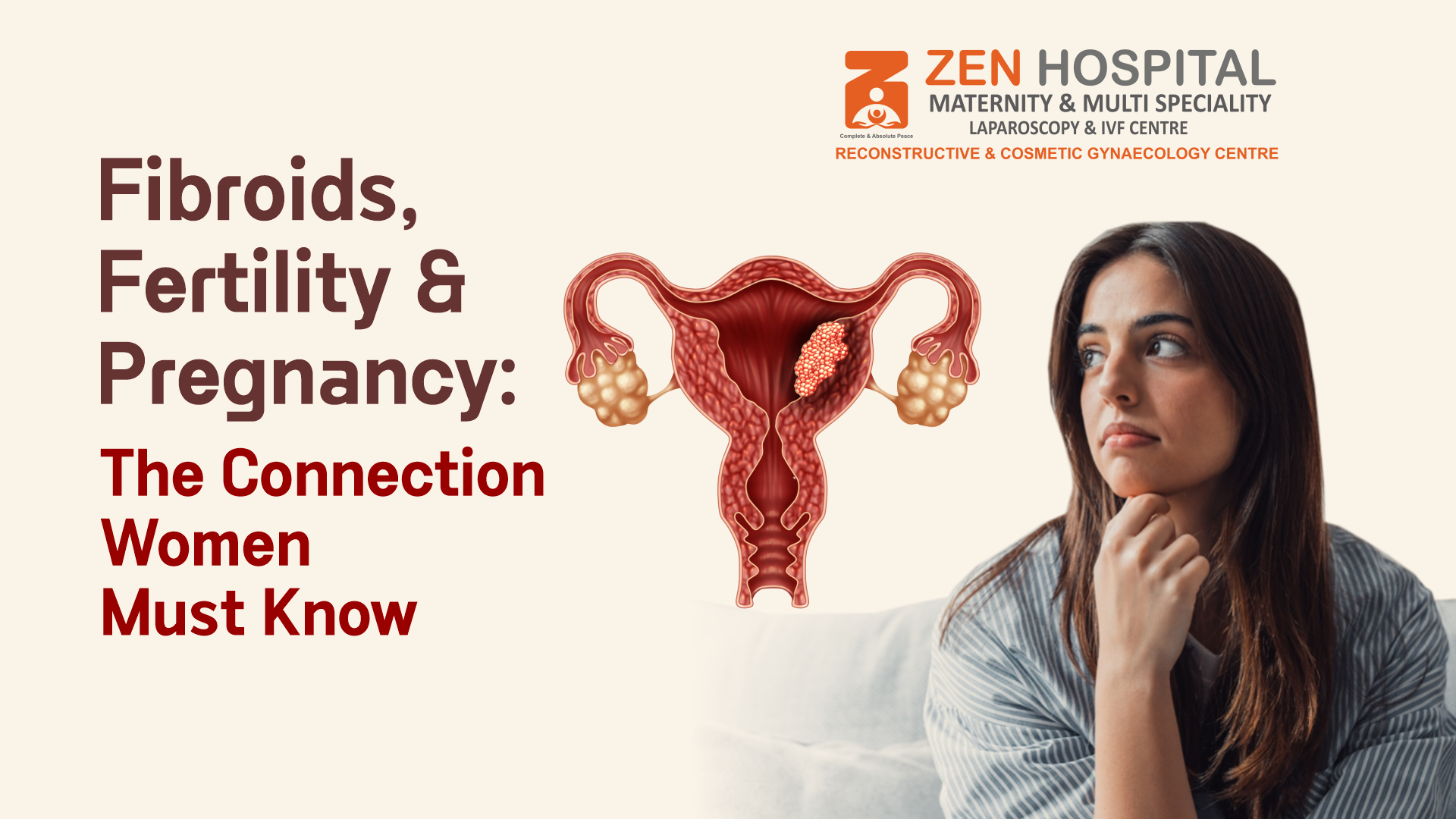
Fibroids, Fertility & Pregnancy: The Connection Women Must Know
<meta charset="utf-8" />
<meta charset="utf-8" />Uterine fibroids are one of the most common health concerns affecting women during their reproductive years. Many women discover they have fibroids only when they experience difficulty conceiving, heavy menstrual bleeding, or complications during pregnancy. Understanding the connection between fibroids, fertility, and pregnancy is important for every woman planning a family or already expecting.
What Are Uterine Fibroids?
Fibroids are non-cancerous growths that develop in or around the uterus. They are also known as uterine leiomyomas or myomas. Fibroids can vary in size, shape, and number. Some women may have tiny fibroids without symptoms, while others may develop large fibroids that affect daily life and reproductive health.
Fibroids are usually classified into different types based on their location:
- Intramural Fibroids – grow within the uterine wall
- Submucosal Fibroids – develop inside the uterine cavity
- Subserosal Fibroids – grow on the outer surface of the uterus
- Pedunculated Fibroids – attached to the uterus by a stalk
The exact cause of fibroids is not fully understood, but hormones such as estrogen and progesterone play a major role in their growth.
Common Symptoms of Fibroids
Many women with fibroids do not notice symptoms. However, larger or multiple fibroids may cause:
- Heavy menstrual bleeding
- Pelvic pain or pressure
- Frequent urination
- Pain during intercourse
- Lower back pain
- Abdominal bloating
- Irregular periods
- Difficulty getting pregnant
If these symptoms become severe, medical evaluation is important.
Can Fibroids Affect Fertility?
Yes, fibroids can affect fertility in some women, especially depending on their size and location. While many women with fibroids conceive naturally, certain fibroids may interfere with pregnancy in different ways.
How Fibroids May Impact Fertility
1. Blocking the Fallopian Tubes
Large fibroids can block the fallopian tubes, preventing sperm from reaching the egg.
2. Changing the Shape of the Uterus
Submucosal fibroids can distort the uterine cavity, making it difficult for an embryo to implant properly.
3. Affecting Blood Flow
Fibroids may reduce blood supply to the uterine lining, which can affect implantation and early pregnancy development.
4. Hormonal and Inflammatory Changes
Some fibroids create an unfavorable environment inside the uterus, reducing the chances of successful conception.
Women facing infertility are often advised to undergo pelvic ultrasound or fertility evaluation to identify whether fibroids are contributing to the problem.
Fibroids During Pregnancy
Pregnancy hormones can sometimes cause fibroids to grow rapidly, especially during the first trimester. However, not every fibroid causes complications. Many women with fibroids experience completely healthy pregnancies and deliver healthy babies.
Still, fibroids during pregnancy may increase the risk of certain complications.
Possible Pregnancy Risks Associated with Fibroids
Miscarriage
Certain fibroids, especially those inside the uterine cavity, may increase the risk of early pregnancy loss.
Pain and Discomfort
As fibroids grow, they may outgrow their blood supply, causing severe pain known as red degeneration.
Bleeding During Pregnancy
Some women experience spotting or bleeding due to fibroid irritation.
Preterm Labor
Large fibroids may reduce space inside the uterus and increase the chances of premature contractions.
Placental Problems
Fibroids can sometimes interfere with normal placental attachment and blood flow.
Breech Baby Position
Fibroids may alter the baby’s position inside the uterus, increasing the possibility of breech presentation.
Cesarean Delivery
Women with large fibroids are more likely to require a C-section if the fibroid blocks the birth canal or affects labor progression.
Can You Have a Healthy Pregnancy with Fibroids?
Yes. Most women with fibroids can still have successful pregnancies with proper medical care and regular monitoring. The outcome often depends on:
- Size of the fibroid
- Number of fibroids
- Location inside the uterus
- Overall maternal health
Regular prenatal checkups help doctors monitor fibroid growth and identify complications early.
Treatment Options for Fibroids
Treatment depends on symptoms, fertility goals, and pregnancy plans.
Medications
Certain medications may help control heavy bleeding and hormonal symptoms temporarily.
Myomectomy
A surgical procedure called myomectomy removes fibroids while preserving the uterus. This option is commonly recommended for women planning pregnancy.
Minimally Invasive Procedures
Some women may benefit from laparoscopic or hysteroscopic fibroid removal depending on the type of fibroid.
Lifestyle and Health Management
Maintaining a healthy weight, balanced diet, and regular exercise may help support hormonal balance and reproductive health.
When Should You See a Doctor?
Consult a gynecologist if you experience:
- Heavy or painful periods
- Difficulty conceiving
- Recurrent miscarriages
- Pelvic pressure or swelling
- Severe abdominal pain during pregnancy
- Unexplained bleeding
Early diagnosis can improve fertility outcomes and pregnancy safety.


